
Myths About Engagement Rings You Should Stop Believing
Engagement rings have been a symbol of love and commitment for centuries, but over time, myths and misconceptions have grown around them. From assumptions about size and cost to ideas about when and how to propose, these myths can make what should be a joyful experience feel stressful. Understanding the truth behind these common beliefs helps couples make decisions that reflect their values, style, and relationship rather than following outdated expectations. Let’s take a closer look at some of the most common engagement ring myths and why you should stop believing them.
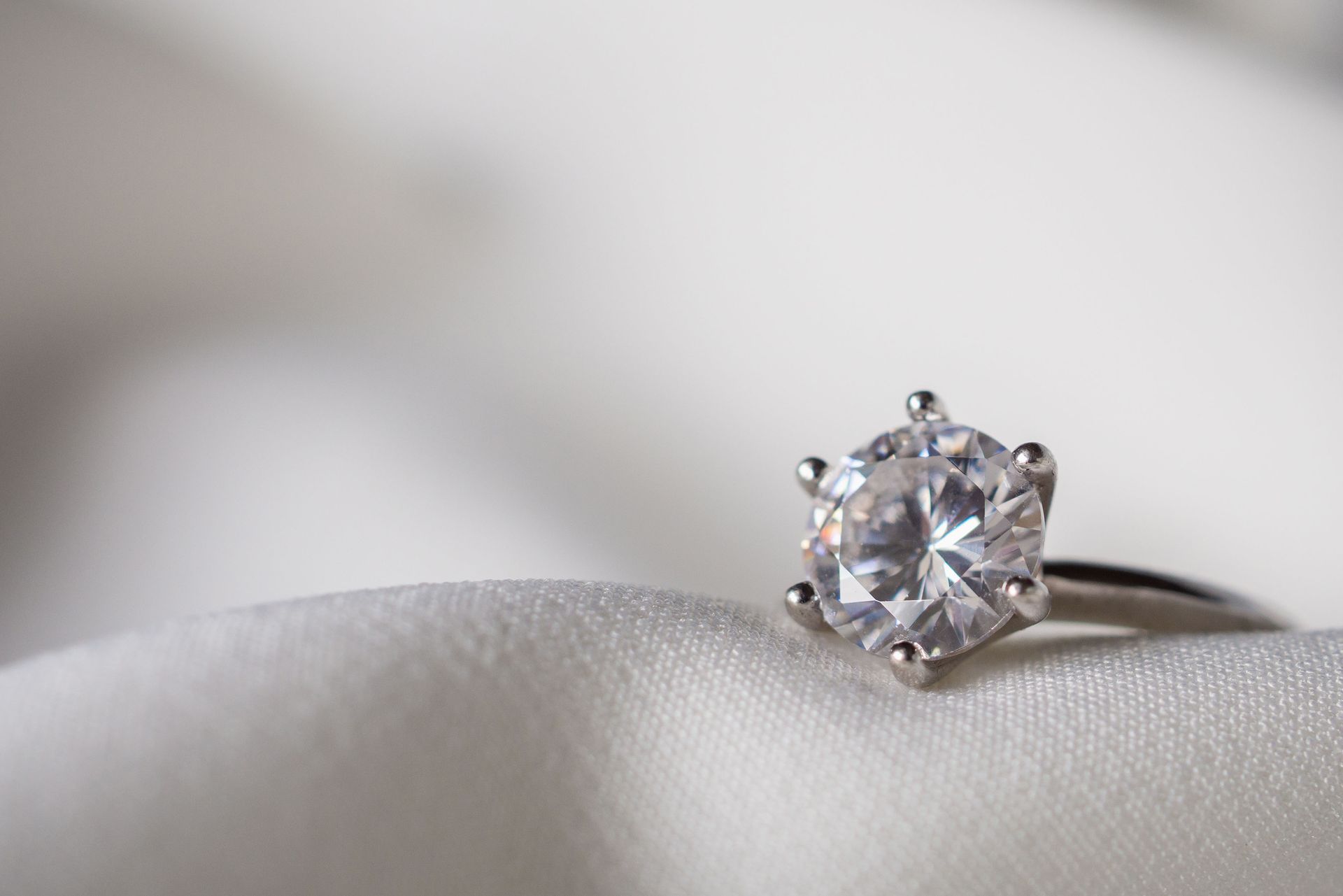
Myth: The Bigger the Diamond, the Better
Many people think that the size of a diamond determines the value or meaning of an engagement ring. In reality, personal preference and style matter far more than size alone. A modestly sized stone can carry just as much significance, especially when it reflects the taste and personality of the wearer. Engagement rings are about commitment and sentiment, not necessarily impressing others. Choosing a diamond that fits your lifestyle, budget, and aesthetic will create a more meaningful experience than focusing solely on carat size, while also allowing couples to select a stone that feels personal, practical, and perfectly suited to their relationship.
Myth: Engagement Rings Must Be Expensive
One of the most persistent myths about engagement rings is that they have to cost a fortune. This idea can create unnecessary pressure, but the truth is that value isn’t measured in dollars. Many couples find rings that are stunning and meaningful without spending beyond their means. Prioritizing quality, design, and personal significance over a price tag ensures a ring that will be cherished without creating financial strain. It’s about the thought and intention behind the ring, not the number on the receipt, and choosing thoughtfully allows couples to focus on their love and partnership rather than societal expectations or unnecessary financial stress.
Myth: Diamonds Are the Only Option
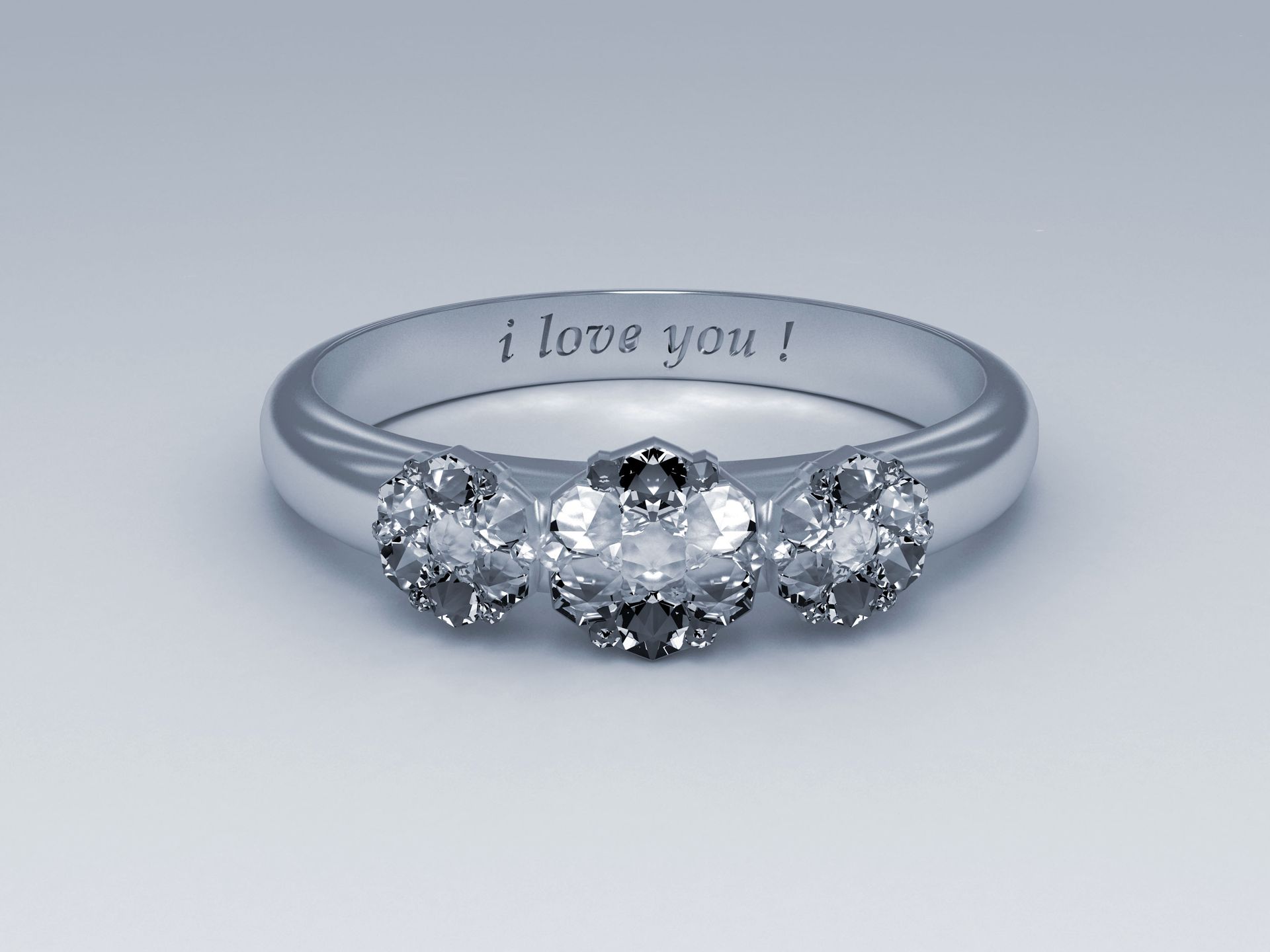
Diamonds have long been considered the classic choice for engagement rings, but there are plenty of other gemstones that make stunning alternatives. Sapphires, emeralds, rubies, and even unique stones like moissanite offer color, character, and individuality. Engagement rings are deeply personal, and selecting a stone that resonates with your partner’s style or has personal meaning can make the ring even more special. Don’t let tradition limit your options when there are so many beautiful possibilities available, as exploring different gemstones allows couples to create a ring that truly reflects their personality, story, and shared values.
Myth: Engagement Rings Have to Be White Gold or Platinum
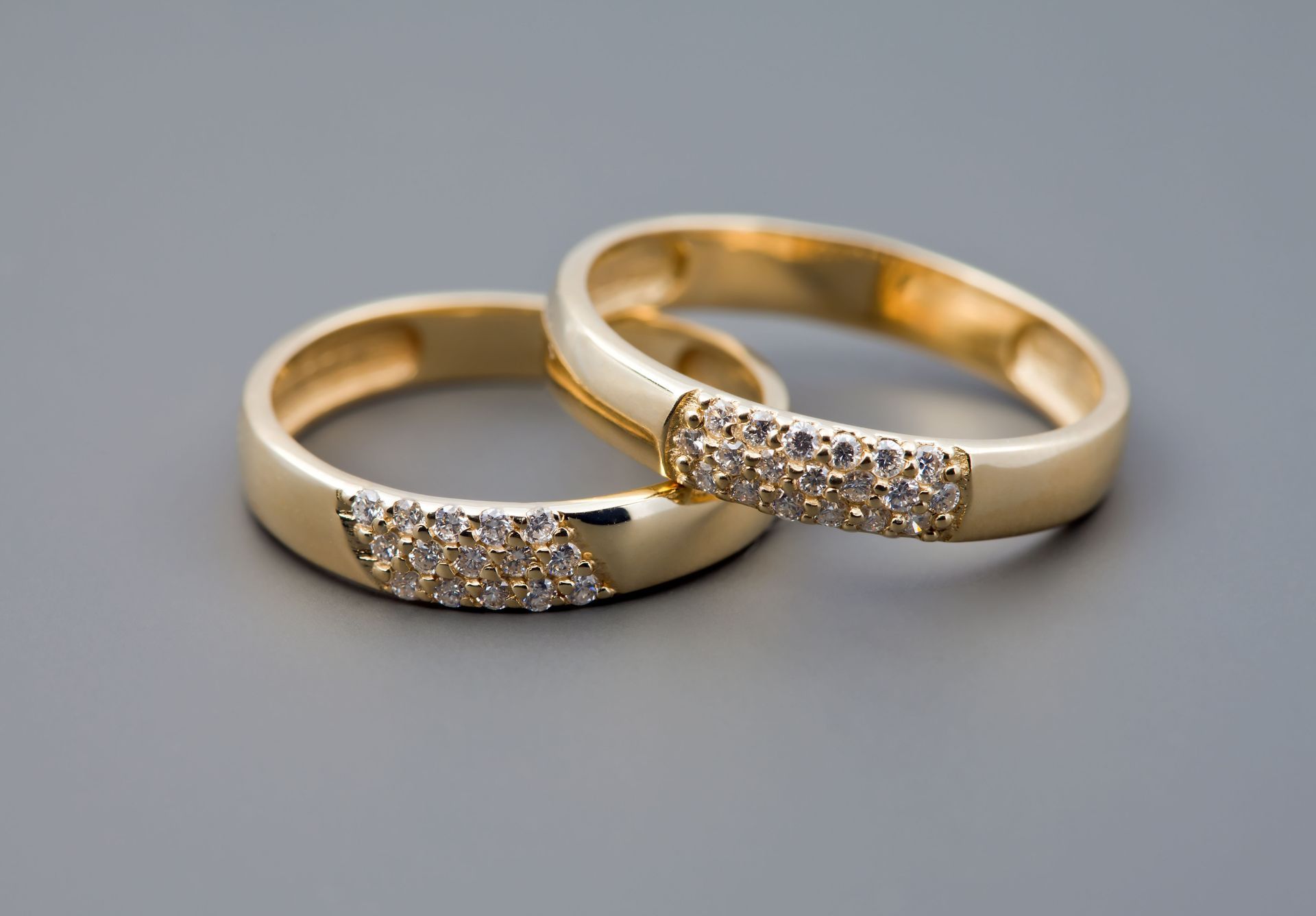
While white gold and platinum are popular choices, they are not the only options. Rose gold, yellow gold, and mixed-metal bands are increasingly popular and can create a unique look that reflects the wearer’s personality. Engagement rings are a statement of style as well as commitment, and metal choices can dramatically influence the overall design. Choosing the right metal ensures durability, comfort, and aesthetics that complement the stone and the wearer’s lifestyle, while also allowing couples to match personal tastes, coordinate with existing jewelry, and create a ring that feels timeless and meaningful for years to come.
Myth: You Should Follow a Formula for Ring Cost
For decades, marketing campaigns have promoted the idea that a ring should cost two or three months’ salary. While these formulas can provide guidance, they are not rules. Many couples find that sticking rigidly to such a formula can cause stress or financial strain. Engagement rings are a symbol of love and partnership, and it’s far more important to select a ring that feels right for both partners’ budgets and values than to follow a prescribed monetary guideline.
Myth: You Need to Know the Ring Size Perfectly
It is common to worry about getting the ring size exactly right, but minor adjustments are often straightforward. Jewelers can resize engagement rings, and many designs allow for flexibility in fit. Obsessing over perfect sizing can create unnecessary anxiety. Instead, focus on finding a style and stone that your partner will love, knowing that sizing can usually be corrected easily and professionally if needed. Engagement rings are meant to be enjoyed, not a source of stress before the proposal, and keeping perspective on the overall meaning of the ring helps ensure the experience remains joyful and memorable.
Myth: Engagement Rings Must Be Purchased Months in Advance
Some believe engagement rings require months of planning and purchasing well ahead of a proposal. While planning early can help reduce stress, it’s not a strict requirement. According to The Knot's 2024 jewelry and engagement study, 50% of proposers start researching rings three to six months in advance, and 60% make their purchase about two months before proposing. This shows that there is flexibility, and many couples successfully find the right ring in a shorter timeframe without compromising quality or satisfaction, proving that thoughtful decision-making and knowing your partner’s style can be more important than how far in advance the ring is purchased.
Myth: Ring Trends Are Everything
Engagement ring trends can be fun to explore, but following them strictly isn’t necessary. Styles like halo settings, cushion cuts, or vintage designs come and go, but the right ring is the one that resonates personally with the couple. Engagement rings are lifelong symbols, and selecting a timeless design or a style that holds personal significance ensures that the ring remains cherished for decades rather than just reflecting a fleeting trend, while also allowing couples to express their individuality, celebrate their unique love story, and feel confident that their choice will remain meaningful and beautiful through changing fashions.
Myth: Men Should Pick the Ring Alone
While traditional proposals often show one partner selecting the engagement rings, modern couples are increasingly choosing rings together. This collaborative approach ensures that both partners are happy with the style, stone, and fit. Engagement rings should reflect shared taste and commitment, and discussing preferences openly helps avoid surprises or disappointments. Choosing a ring together can also strengthen the engagement process and create memories that are just as special as the proposal itself, while fostering communication, mutual understanding, and a sense of partnership that carries into marriage and sets a positive tone for future decisions as a couple.
Myth: Engagement Rings Are Only for the Bride
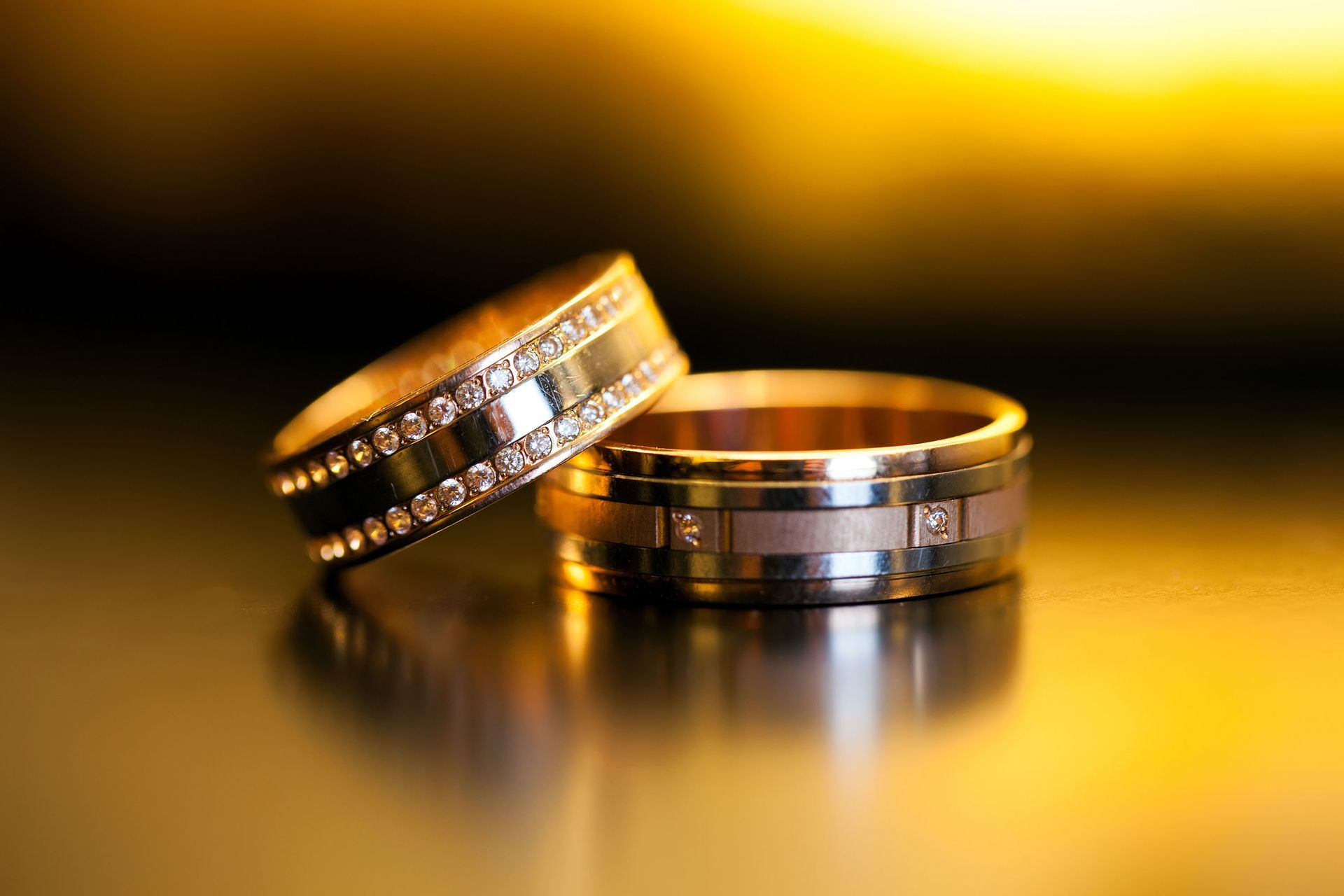
Engagement rings don’t have to follow gender norms. More couples are choosing rings for both partners, reflecting equality and shared commitment. Engagement rings symbolize love and partnership, and both partners can celebrate that milestone with jewelry that has personal meaning. There’s no rule saying only one partner should wear a ring, and expanding the tradition allows couples to make engagement rings a shared expression of their unique relationship, while also creating a meaningful ritual that honors both individuals and strengthens the sense of unity and mutual respect in the partnership.
Engagement rings carry more than material value—they represent love, commitment, and shared futures. By letting go of outdated myths and focusing on personal significance, couples can make choices that feel authentic and meaningful. Understanding the realities behind these common misconceptions ensures a more relaxed, joyful, and thoughtful engagement experience. Whether it’s selecting the stone, metal, size, or timing, the right engagement rings are the ones that reflect the heart of the relationship. For guidance on finding a ring that fits your style and story, contact Truver’s Jewelry to explore their collection and expertise.
Share On: